
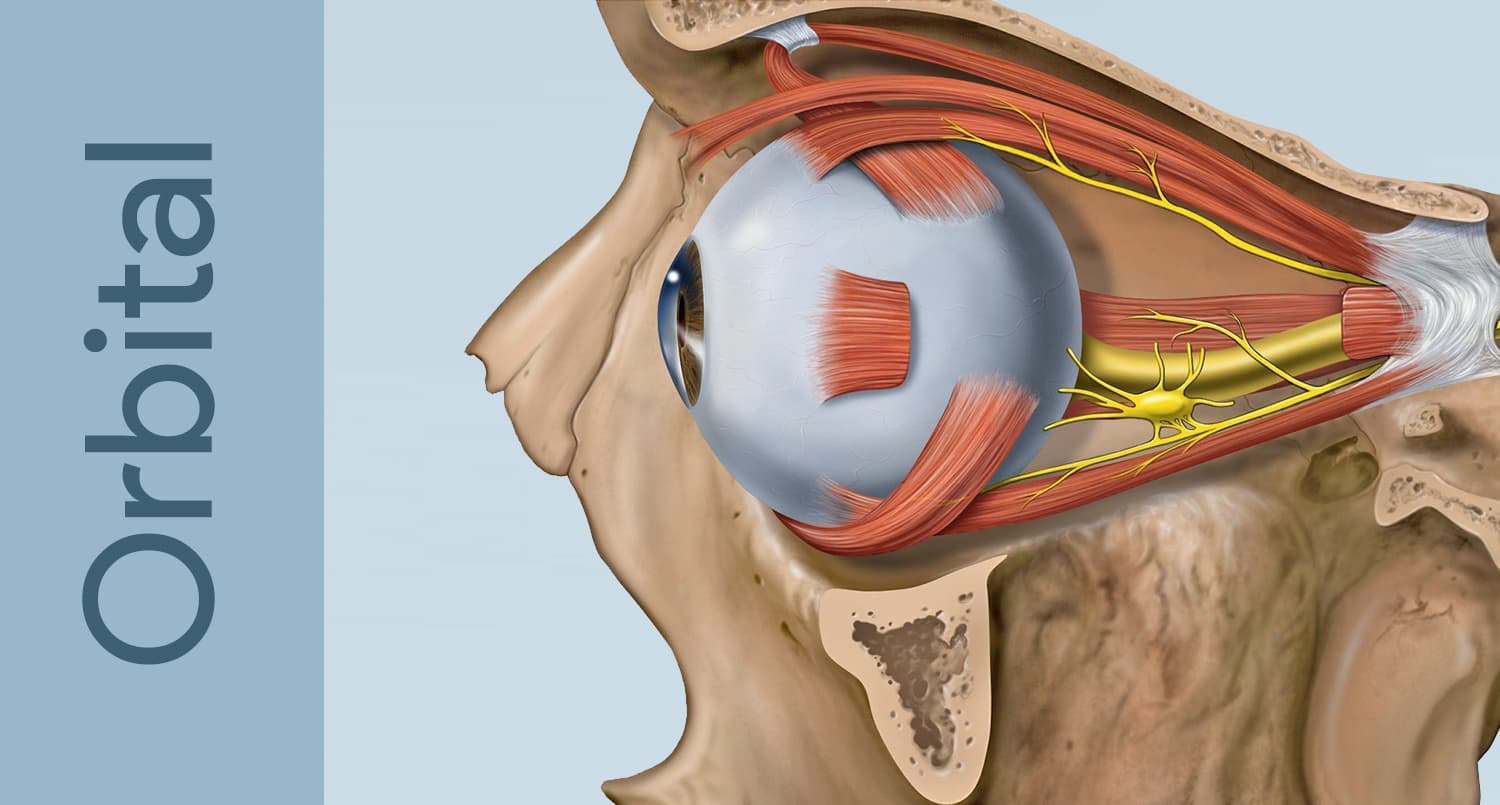
CO2 Laser Resurfacing
CO2 laser resurfacing for periocular skin — tightening eyelid skin, smoothing crow's feet, treating festoons, and improving skin quality around the eyes.
The skin around the eyes is the thinnest on the body — often less than half a millimeter thick — and it is among the first areas to show the signs of aging, sun damage, and environmental stress. Fine crepey wrinkling, crow’s feet, lower lid skin laxity, and persistent festoons rarely respond to creams or injectables alone. For decades, the carbon dioxide (CO2) laser has remained the gold standard for resurfacing this delicate anatomy, offering measurable skin tightening, collagen remodeling, and surface renewal that no other modality can fully replicate. When performed by an oculoplastic surgeon who understands eyelid biomechanics, CO2 resurfacing can produce results that rival a lower blepharoplasty in carefully selected patients — without an incision.

How CO2 Laser Works
The CO2 laser emits infrared light at a wavelength of 10,600 nanometers, which is selectively absorbed by water in the skin. Because skin is mostly water, the laser energy vaporizes the outermost epidermal layers in a precisely controlled manner while simultaneously delivering residual heat to the underlying dermis. This dual action — ablation of the surface and thermal stimulation of deeper tissue — triggers two complementary healing responses: re-epithelialization with fresh, smoother skin from the surrounding hair follicles and sweat glands, and long-term neocollagenesis as dermal fibroblasts lay down new, organized collagen and elastin over the following six to twelve months.
Fully Ablative vs Fractional CO2
Modern CO2 resurfacing comes in two principal forms, and the distinction is critical for periocular work:
- Fully ablative CO2: The laser treats 100% of the skin surface in a continuous pass. This delivers the most dramatic tightening and wrinkle reduction but requires the longest recovery and carries the highest risk of pigmentary change and scarring.
- Fractional CO2: The laser energy is delivered in a grid of microscopic columns (microthermal zones), leaving islands of untreated skin between them. The untreated bridges accelerate healing dramatically while still inducing meaningful collagen remodeling. This is the workhorse approach for most periocular resurfacing today.
An oculoplastic surgeon will often combine both modalities in a single session — using fractional settings across the cheek and forehead while applying near-fully-ablative passes to the thin eyelid skin where maximum tightening is desired.
CO2 resurfacing is one of several energy-based options for facial rejuvenation. Learn how it fits into the broader landscape of laser treatments and overall skin rejuvenation strategies.
Periocular Applications
The periocular region presents unique cosmetic challenges that are ideally suited to CO2 resurfacing. The skin is thin enough for energy to penetrate effectively, yet sits on top of mobile structures — the orbicularis muscle, orbital septum, and tarsal plate — that benefit from thermal tightening.
Lower Eyelid Skin Laxity
Mild to moderate lower lid skin excess often does not warrant a full blepharoplasty incision, particularly in patients with minimal fat herniation. CO2 resurfacing can tighten this skin by 15–25%, smoothing crepey texture and reducing the appearance of fine wrinkling without the downtime of surgery.
Crow’s Feet
The lateral canthal rhytids that radiate from the corner of the eye are partly dynamic (caused by orbicularis contraction) and partly static (etched into the skin from sun damage and repetitive movement). While neuromodulators treat the dynamic component, static lines respond best to ablative resurfacing.
Festoons and Malar Mounds
Chronic lower lid and cheek festoons are notoriously difficult to treat. CO2 resurfacing is one of the few modalities with proven efficacy, working by inducing dermal contraction and reducing the redundancy of the overlying skin envelope. Read more about treatment strategies for festoons and malar mounds.
Upper Eyelid Skin
For patients with very early dermatochalasis or those who decline surgery, CO2 resurfacing of the upper lid skin can provide modest tightening. It is not a substitute for blepharoplasty when significant hooding is present, but it can refine results or delay the need for surgical intervention.
Pigmentation and Texture
Solar lentigines, fine actinic damage, and dyschromia of the periocular skin all improve with resurfacing, often more reliably than with intense pulsed light (IPL) or chemical peels in this anatomically challenging zone.
Full-Face vs Periocular Treatment
One of the most important conversations to have with your surgeon is whether to treat the periocular area in isolation or to extend treatment across the entire face. Both approaches have legitimate roles.
Periocular-Only Treatment
- Shorter recovery (5–7 days)
- Lower anesthesia requirement — often topical or local
- Targeted improvement of the most visible aging zone
- Risk of visible demarcation lines at treatment borders
- Lower overall cost
- Ideal as adjunct to blepharoplasty
Full-Face Treatment
- Uniform skin quality and tone
- No visible borders or color mismatch
- Longer recovery (10–14 days)
- Usually requires IV sedation or general anesthesia
- Higher cost but greater overall transformation
- Best for diffuse photodamage
To minimize demarcation when treating the periocular area alone, surgeons commonly feather lighter fractional passes into the surrounding cheek, temple, and forehead to create a gradual transition rather than an abrupt boundary.
Recovery Timeline
Understanding the recovery course in advance is essential to setting realistic expectations. CO2 resurfacing produces a controlled wound, and the skin must go through predictable phases of healing.
| Timeframe | What to Expect |
|---|---|
| Day 0–2 | Significant swelling, oozing, and a sensation similar to a severe sunburn. Cold compresses and occlusive ointments are mainstays. |
| Day 3–5 | Crusting and peeling as the epidermis sloughs and re-epithelializes. Itching is common. Frequent gentle cleansing required. |
| Day 6–10 | New pink skin emerges. Most patients can apply mineral makeup and return to work, especially after fractional treatment. |
| Week 2–6 | Pink-to-red discoloration that gradually fades. Strict sun protection mandatory. |
| Month 3–12 | Progressive collagen remodeling. Skin continues to tighten and refine for up to a year after treatment. |
Important: Patients with a history of cold sores must take antiviral prophylaxis (typically valacyclovir) starting the day before treatment. A laser-induced HSV outbreak across freshly resurfaced skin can lead to scarring.
Combining with Blepharoplasty
One of the most powerful applications of CO2 resurfacing is in combination with eyelid surgery. A traditional lower blepharoplasty — particularly the transconjunctival approach — addresses fat herniation beautifully but does little for the quality of the overlying skin. Adding CO2 resurfacing in the same operative session treats the textural and laxity components that surgery cannot reach.
Timing Considerations
- Simultaneous treatment: CO2 resurfacing performed at the time of transconjunctival lower blepharoplasty is safe because the external skin envelope has not been violated and its blood supply remains intact.
- After transcutaneous blepharoplasty: If a skin incision was made on the lower lid, most surgeons wait at least 6–8 weeks before resurfacing to allow the incision to heal and the skin to revascularize. Treating too early increases the risk of skin necrosis and ectropion.
- Resurfacing first, surgery later: Occasionally, aggressive resurfacing alone provides enough tightening that subsequent surgery becomes unnecessary.
An oculoplastic surgeon is uniquely positioned to make these timing decisions because they perform both the surgical and laser components and can tailor the staged approach to each patient’s anatomy.
Periocular Risks
While generally safe in experienced hands, CO2 resurfacing around the eyes carries specific risks that require an understanding of eyelid anatomy to anticipate and prevent.
Ectropion and Eyelid Malposition
Excessive thermal contraction of lower eyelid skin can pull the lid margin downward and outward, producing scleral show or frank ectropion. This is the single most important risk to avoid and is best prevented by:
- Assessing pre-existing eyelid laxity with snap-back and distraction testing before treatment
- Performing a canthopexy or canthoplasty at the same time in higher-risk patients
- Using conservative energy settings on the lower lid
- Avoiding aggressive resurfacing in patients with negative vector anatomy or prior lower lid surgery
Corneal Injury
The laser is a thermal weapon, and the cornea is exquisitely vulnerable. Metal corneal shields with lubricating ointment are placed before treatment and removed only after the laser is powered down. An oculoplastic surgeon is intimately familiar with shield placement — a step that non-eye specialists may omit or perform inadequately.
Pigmentary Changes
Post-inflammatory hyperpigmentation (PIH) is the most common pigment-related complication, especially in patients with darker skin types. Permanent hypopigmentation, although less common with fractional technology, is the more feared outcome because it does not resolve.
Infection and Scarring
Bacterial, viral (herpes), and fungal (candida) infections can complicate the healing wound. Strict wound care, prophylactic antivirals, and prompt recognition of unusual symptoms minimize this risk.
Skin Types and Fitzpatrick Scale
Patient selection based on the Fitzpatrick skin type classification is one of the most important determinants of safety and outcome with ablative laser resurfacing.
| Fitzpatrick Type | Skin Description | CO2 Suitability |
|---|---|---|
| I | Very fair, always burns, never tans | Excellent — lowest PIH risk |
| II | Fair, usually burns, tans minimally | Excellent |
| III | Medium, sometimes burns, gradually tans | Good with pretreatment regimen |
| IV | Olive, rarely burns, tans easily | Cautious — fractional preferred, hydroquinone pretreatment |
| V | Brown, very rarely burns | High risk of PIH — consider alternatives |
| VI | Dark brown to black, never burns | Generally not recommended |
For darker skin types, surgeons often recommend a 4–6 week pretreatment regimen of hydroquinone, retinoids, and sunscreen to suppress melanocyte activity and reduce the risk of post-procedure pigmentation.
Laser vs Surgical Results
A common misconception is that CO2 resurfacing can replace blepharoplasty. In reality, the two modalities address different problems and are often complementary.
CO2 Resurfacing Treats
- Skin texture and crepe
- Fine to moderate wrinkles
- Mild skin laxity (15–25% tightening)
- Solar damage and dyschromia
- Festoons and malar mounds
- Static lines around the eyes
Blepharoplasty Treats
- Excess skin (dermatochalasis)
- Herniated orbital fat
- Hooding obscuring vision
- Significant lid laxity
- Tear trough deformity (with fat repositioning)
- Asymmetric eyelid contour
For patients with both surface aging and structural changes, the optimal plan is often a combined approach: blepharoplasty to address the volume and skin excess, followed by (or simultaneous with) CO2 resurfacing to refine the skin envelope.
Why Choose an Oculoplastic Surgeon
CO2 laser resurfacing around the eyes occupies a narrow margin of safety. A few millimeters of additional energy, a missed corneal shield, or an underappreciated lower lid laxity can transform a routine procedure into a serious complication. Oculoplastic surgeons bring a combination of training and experience that is uniquely suited to this anatomy:
- Anatomic mastery: Years of operating on the eyelid, orbit, and lacrimal system mean an oculoplastic surgeon understands precisely how skin tightening will affect lid position, tear film, and globe protection.
- Eyelid malposition prevention: The ability to recognize patients at risk for ectropion or lagophthalmos and to perform concurrent canthal support when needed.
- Corneal protection expertise: Routine, comfortable placement of corneal shields and recognition of subtle ocular surface compromise during treatment.
- Integrated treatment planning: The ability to combine resurfacing with blepharoplasty, ptosis repair, brow lifting, or tear trough treatment in a single coherent plan.
- Complication management: If ectropion, scleral show, or chronic dry eye develops, the same surgeon can correct it surgically — rather than referring out to another specialist.
CO2 resurfacing is most powerful when integrated into a personalized facial rejuvenation plan. Discuss with your surgeon whether it should be combined with Connect with a board-certified oculoplastic surgeon who specializes in co2 laser resurfacing.Frequently Asked Questions
Find a Specialist