
Midface Lift
Surgical repositioning of descended midface tissues to restore cheek fullness, soften the tear trough, and smooth the lid-cheek junction.
Overview
The midface — the region bounded by the lower eyelid above, the nasolabial fold medially, and the zygomatic arch laterally — is one of the first areas to betray facial aging. As the deep fat compartments of the cheek descend and lose volume, a cascade of changes appears around the eyes: the lid-cheek junction lengthens, a hollow tear trough develops, the lower eyelid appears longer, and a deepening nasojugal groove casts a perpetual shadow. A midface lift is a surgical procedure designed to reverse these changes by repositioning descended soft tissues back to their youthful position over the cheekbone, restoring the smooth, convex contour of a rejuvenated mid-face.
Oculoplastic surgeons are uniquely suited to perform midface surgery because the procedure directly affects the lower eyelid position, the tear trough, and the lid-cheek transition — structures that fall within the core training of ASOPRS fellowship. Midface lifting is frequently performed in combination with lower blepharoplasty, and the techniques used (transconjunctival access, SOOF elevation, fat repositioning) are extensions of standard eyelid surgery rather than separate disciplines.

Anatomy of the Midface
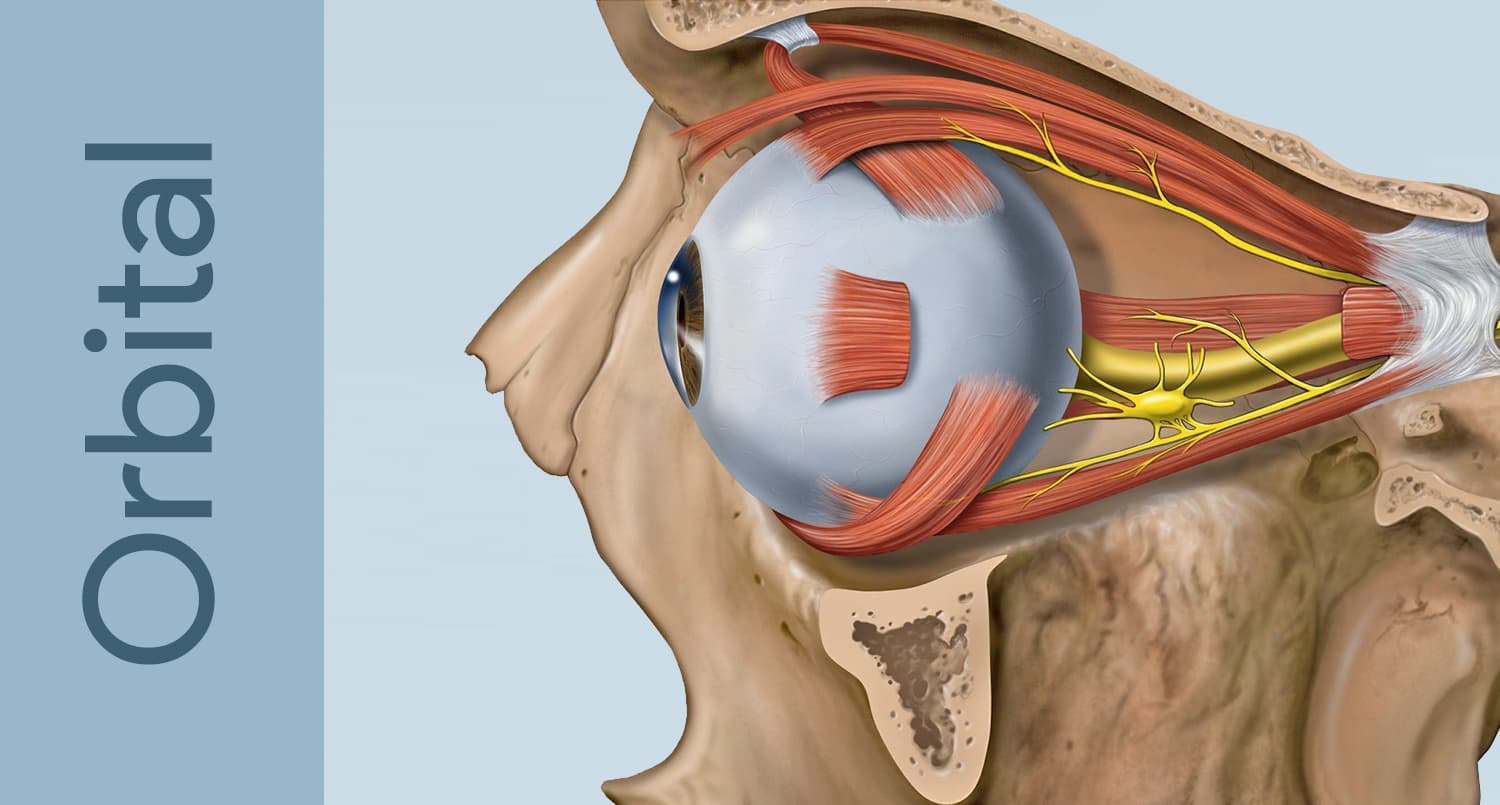
Understanding midface anatomy is essential to appreciating why these procedures work. The midface is layered, from superficial to deep, as follows: skin, subcutaneous fat, the superficial musculoaponeurotic system (SMAS) continuous with the orbicularis oculi muscle, the suborbicularis oculi fat (SOOF), the deeper malar fat pad, and finally the periosteum overlying the maxilla and zygoma.
Several anatomic ligaments tether the soft tissues to the underlying bone, including the orbicularis-retaining ligament (ORL), the zygomatic cutaneous ligaments, and the malar septum. With age, these retaining ligaments weaken and the soft tissue compartments descend in a predictable inferomedial vector. The tear trough is essentially the visible surface manifestation of the ORL: as the cheek fat falls away from this fixed attachment, a groove appears at the medial inferior orbital rim.
The SOOF (suborbicularis oculi fat) sits deep to the orbicularis muscle and superficial to the periosteum of the inferior orbital rim. Elevating and resuspending the SOOF is the central maneuver of most modern midface lifts, because it restores volume directly over the orbital rim where age-related hollowing is most apparent.
For a detailed walkthrough of the surrounding soft tissue planes, see our eyelid anatomy guide, which explains how the lower lid, orbicularis, and SOOF interact during aging and surgery.
Who Is a Candidate
Ideal candidates for midface lifting are patients in their mid-40s through 60s who demonstrate true tissue descent rather than isolated volume loss. The hallmark findings on examination include:
- A lengthened vertical distance from the lash line to the cheek mound (a youthful lid-cheek junction is short and seamless)
- A visible double-convexity contour — lower lid bulge, tear trough hollow, then cheek mound
- Lower eyelid retraction or scleral show after prior lower blepharoplasty
- Malar bags or festoons in the lateral cheek
- Negative vector orbit (cheek projects less than the globe in profile)
Patients with a negative vector orbit deserve special mention. These individuals are at elevated risk for lower lid malposition after traditional skin-muscle blepharoplasty, and adding a midface lift — which elevates and supports the lower lid from below — can be protective. Conversely, patients with primarily fat-related lower lid bags and minimal descent may do better with isolated blepharoplasty or non-surgical volume restoration.
Surgical Approaches
There is no single “best” midface lift. The right approach depends on the degree of descent, the patient’s anatomy, whether blepharoplasty is being performed concurrently, and the surgeon’s training. The three principal approaches used by oculoplastic surgeons are summarized below.
| Approach | Incision | Best For |
|---|---|---|
| Endoscopic | Temporal scalp + intraoral | Moderate to severe descent, younger patients with good skin |
| Transconjunctival | Inside lower lid | Mild to moderate descent with tear trough, combined with blepharoplasty |
| Subciliary / SOOF lift | Just below lash line | Patients also needing skin excision |
| Fat repositioning | Transconjunctival | Prominent fat bags with deep tear trough |
Endoscopic Midface Lift
The endoscopic midface lift is the most powerful technique for true vertical repositioning of descended soft tissue. Through small incisions hidden in the temporal scalp (and sometimes a small intraoral incision in the gingivobuccal sulcus), the surgeon develops a plane along the deep temporal fascia and over the periosteum of the zygoma and maxilla. An endoscope provides illuminated visualization of structures including the zygomaticofacial neurovascular bundle and the frontal branch of the facial nerve, which must be protected.
Once the midface is freed from its bony attachments, the SOOF and malar fat pad are elevated in a vertical (or slightly superolateral) vector and fixated — typically to the deep temporal fascia using nonabsorbable suture or a bone tunnel through the lateral orbital rim. Because the lift vector is vertical rather than oblique, the result tends to look natural and avoids the “pulled” appearance that can follow lateral SMAS facelifts.
This approach is often paired with an endoscopic brow lift through the same temporal incisions, addressing the upper third of the face simultaneously. Recovery is longer than transconjunctival approaches because of the more extensive dissection.
Transconjunctival Midface Lift
The transconjunctival midface lift is the workhorse procedure for oculoplastic surgeons. Through an incision hidden inside the lower eyelid — the same access used for transconjunctival lower blepharoplasty — the surgeon accesses the inferior orbital rim, releases the orbicularis-retaining ligament and arcus marginalis, and elevates the SOOF off the maxillary periosteum.
The mobilized SOOF and adjacent soft tissues are then resuspended, most commonly with a suture passed through the inferior orbital rim periosteum or through a drill hole in the lateral orbital rim. The result is volumization directly over the rim, softening of the tear trough, and a shorter, smoother lid-cheek junction.

The advantages of this approach are significant: there is no external scar, dissection is limited, and recovery is comparatively rapid. Its main limitation is that it produces less dramatic elevation than the endoscopic approach — it is best thought of as a tear-trough-and-rim correction rather than a true facelift.
SOOF Lift and Fat Repositioning
Two related techniques deserve individual discussion because they are frequently combined with lower blepharoplasty.
SOOF Lift
- Elevates deep fat pad over the orbital rim
- Adds volume to the upper cheek
- Supports the lower lid from below
- Reduces risk of post-blepharoplasty retraction
- Fixated to periosteum or lateral orbital rim
Fat Repositioning
- Uses native lower-lid orbital fat as a pedicled graft
- Fat is draped over the orbital rim into the tear trough
- Fills the nasojugal groove naturally
- Avoids the “hollow” look of pure fat excision
- Excellent for patients with prominent bags and deep troughs
Fat repositioning has become a preferred technique among oculoplastic surgeons because it solves two problems simultaneously: it removes the bulge caused by herniated lower-lid fat and uses that same fat to fill the adjacent tear trough. The result is a single smooth contour from lash to cheek, rather than the “double bubble” that can occur when fat is excised aggressively over a deep trough.
Combination with Lower Blepharoplasty
In contemporary oculoplastic practice, midface lifting is most often performed alongside lower blepharoplasty rather than as a standalone operation. The synergy is anatomic: lower blepharoplasty addresses the eyelid component (excess skin, herniated fat) while the midface lift addresses the cheek component (descended SOOF, tear trough, lid-cheek junction). Treating both at once produces a unified, natural rejuvenation.
There is also a functional benefit. A well-performed SOOF lift or canthal resuspension provides upward support to the lower lid margin, reducing the risk of lower lid retraction, ectropion, and scleral show — the most common complications of aggressive lower blepharoplasty. For patients with a negative vector, prominent globe, or prior lid surgery, this combined approach is often the safest option.
Important: Patients who have already had lower blepharoplasty and now have scleral show, lid retraction, or a rounded lateral canthus may benefit dramatically from a secondary midface lift combined with canthoplasty. The midface lift recruits tissue from below to relieve downward tension on the lid.
Non-Surgical Alternatives
Not every patient with midface aging is a surgical candidate — nor does every patient need surgery. Non-surgical approaches can achieve excellent results, particularly when the dominant problem is volume loss rather than true tissue descent.
Hyaluronic acid fillers are the mainstay of non-surgical midface rejuvenation. Cohesive, higher-G’ fillers (such as Restylane Lyft, Juvéderm Voluma, or RHA 4) are placed deeply over the zygoma and maxilla to restore lost projection. Softer fillers (Restylane, Belotero, RHA 2–3) can be used cautiously in the tear trough to camouflage the nasojugal groove.
Biostimulatory injectables such as calcium hydroxylapatite (Radiesse) or poly-L-lactic acid (Sculptra) can be used to gradually rebuild cheek volume by stimulating native collagen formation. These products are longer-lasting than hyaluronic acid but are not reversible.
Energy-based skin tightening — radiofrequency microneedling, ultrasound (Ultherapy), or fractional laser — can improve skin quality and modestly tighten the midface, but they will not reposition descended fat. They are best thought of as adjuncts rather than substitutes for surgery.
A consultation with an oculoplastic surgeon helps determine whether filler alone, surgery, or a staged combination is right for you. Many patients begin with fillers in their 40s and transition to surgical lifting in their 50s or 60s as descent progresses.
Recovery and Results
Recovery after midface lift depends on the approach used. Transconjunctival procedures, with their limited dissection, typically involve 7–10 days of visible bruising and 2–3 weeks of swelling. Endoscopic midface lifts involve more extensive dissection and may require 2–3 weeks before patients feel ready to return to social activities, with subtle swelling lingering for 2–3 months.
Patients can expect:
- Week 1: Bruising, swelling, possible numbness of the cheek (from infraorbital nerve neuropraxia, almost always temporary)
- Weeks 2–4: Most bruising resolved, but swelling can give a slightly “overdone” appearance; this is normal and recedes
- Months 2–3: True contour emerges; lid-cheek junction smooths
- Months 6–12: Final result settles; results typically endure 8–12 years or more
Cold compresses, head elevation, and avoidance of strenuous exertion for two weeks help reduce swelling. Patients are often surprised that the cheek can feel slightly firm or “tight” for several weeks — this is the resuspended SOOF healing into its new position, and it relaxes over time.
Risks and Complications
Midface lifting is a safe procedure in experienced hands, but it is not without risk. Potential complications include:
- Lower lid malposition — ectropion, retraction, or scleral show, especially when midface lift is combined with skin-muscle blepharoplasty. Routine canthal support reduces this risk.
- Prolonged swelling — the midface lymphatics are disrupted during dissection, and edema can persist for months
- Cheek numbness — temporary infraorbital hypesthesia is common; permanent numbness is rare
- Facial nerve injury — injury to the frontal or zygomatic branches is uncommon but possible with endoscopic approaches
- Asymmetry — minor side-to-side differences are common and usually resolve as swelling settles
- Overcorrection — an excessively elevated midface can produce a “chipmunk” appearance; conservative technique is preferred
- Suture extrusion or palpability — rare with modern fixation techniques
- Hematoma, infection, scarring — standard surgical risks, uncommon
Important: The most important predictor of a safe, natural-looking result is surgeon experience. Midface surgery requires detailed knowledge of orbital and facial anatomy — precisely the expertise of an ASOPRS-trained oculoplastic surgeon.
If you are considering midface rejuvenation — whether through surgery, fat repositioning, or filler — the best first step is a comprehensive consultation with a fellowship-trained oculoplastic surgeon who can evaluate your unique anatomy and recommend the right combination of procedures. Find an ASOPRS oculoplastic surgeon near you to discuss your goals and learn which approach will deliver the most natural, lasting result.
Frequently Asked Questions
- Who is a good candidate for a midface lift?
- Ideal candidates are individuals with descended cheek tissues, prominent tear troughs, or a flattened appearance in the midface area who desire a more youthful contour. Good candidates should be in overall good health, have realistic expectations about results, and understand the recovery process. Your oculoplastic surgeon will evaluate your facial anatomy and skin quality during consultation to determine if you're a suitable candidate.
- What should I expect during my consultation?
- During your consultation, your surgeon will examine your facial structure, assess the degree of midface descent, and discuss your aesthetic goals and concerns. They will explain the surgical technique in detail, review before-and-after photos, and discuss realistic outcomes based on your individual anatomy. This is also the time to ask questions about recovery, risks, and what results you can expect.
- What are the main risks and complications associated with midface lift surgery?
- Common risks include temporary swelling, bruising, and numbness in the cheek and upper lip area, which typically resolve within weeks. Less common but potential complications include asymmetry, nerve injury affecting facial sensation or movement, and unsatisfactory aesthetic results. Your surgeon will discuss all risks during your consultation and take measures to minimize them through careful surgical technique.
- How long do the results of a midface lift last?
- Midface lift results are generally long-lasting, with many patients enjoying improved facial contour for 10 years or more. Results depend on factors including your age, skin quality, genetics, and how well you maintain your skin over time. While the procedure cannot stop the aging process entirely, it effectively addresses descended tissues and provides a more permanent solution than non-surgical options.
- What is the typical recovery timeline after a midface lift?
- Most patients can return to light activities within one to two weeks, though strenuous exercise and heavy lifting should be avoided for four to six weeks. Swelling and bruising typically peak around day three to five and gradually improve over the following weeks. Full healing occurs over several months, during which you may notice continued subtle improvements in your results.
- What special care do I need after my midface lift surgery?
- Post-operative care includes keeping your head elevated, applying ice as directed, taking prescribed medications, and attending all follow-up appointments. You should avoid activities that increase blood pressure, protect your face from sun exposure, and be gentle with the surgical area. Your surgeon will provide detailed written instructions and be available to address any concerns during your recovery.
- How does a midface lift differ from other facial rejuvenation procedures?
- Unlike dermal fillers that add temporary volume, a midface lift surgically repositions your own tissues to restore natural cheek elevation and improve the lid-cheek junction. This procedure is more comprehensive than non-surgical treatments and addresses structural descent rather than just fine lines or minor volume loss. Your oculoplastic surgeon can discuss whether a midface lift, fillers, or a combination approach best suits your goals.
Find a Specialist
Connect with a board-certified oculoplastic surgeon who specializes in midface lift.
Search the Directory →