
Rosacea
Management of cutaneous and ocular rosacea — eyelid margin disease, meibomian gland dysfunction, laser treatment, and systemic therapy.
What is Rosacea
Rosacea is a chronic, inflammatory skin condition primarily affecting the central face — nose, cheeks, chin, and forehead. It is characterized by persistent redness, visible blood vessels, inflammatory papules and pustules, and in advanced cases, phymatous skin changes (tissue thickening). Importantly for oculoplastic surgeons, ocular rosacea affects approximately 50–60% of patients with cutaneous rosacea, causing eyelid and ocular surface disease that can threaten vision if untreated.
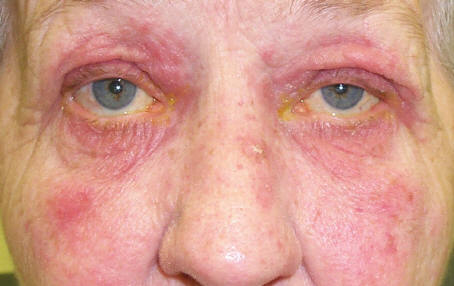
Ocular rosacea is a leading cause of chronic blepharitis and meibomian gland dysfunction. It is closely linked to Blepharitis and Dry Eye Disease. Skin rejuvenation treatments for rosacea (laser, IPL) are covered in Skin Rejuvenation.
Subtypes of Rosacea
The National Rosacea Society classifies rosacea into four subtypes, which may coexist in the same patient:
- Subtype 1 — Erythematotelangiectatic (ETR): Persistent central facial redness, flushing, visible telangiectasias. Most common form. Sensitive skin prone to stinging. Treated with topical brimonidine (Mirvaso), oxymetazoline (Rhofade), laser, and IPL.
- Subtype 2 — Papulopustular: Acne-like papules and pustules on a background of central facial erythema. Often confused with acne vulgaris — distinguished by the absence of comedones (blackheads/whiteheads) in rosacea. Treated with metronidazole gel, azelaic acid, ivermectin cream (Soolantra), doxycycline.
- Subtype 3 — Phymatous: Skin thickening with irregular surface changes; most commonly affects the nose (rhinophyma). Caused by sebaceous hyperplasia and fibrosis. Treated surgically with CO₂ laser resurfacing or surgical debulking.
- Subtype 4 — Ocular Rosacea: Eye and eyelid involvement — covered in detail below.
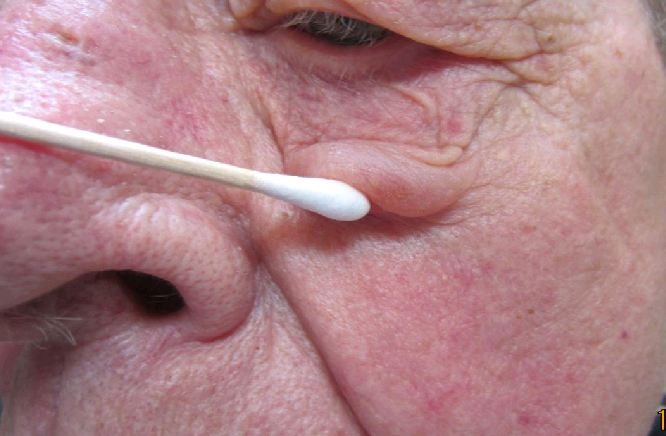
Ocular Rosacea
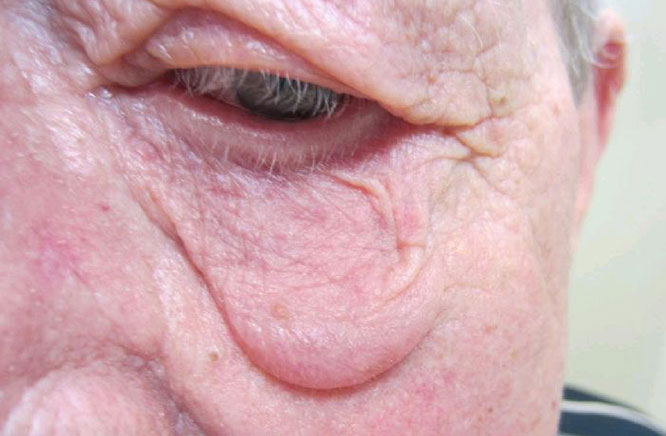
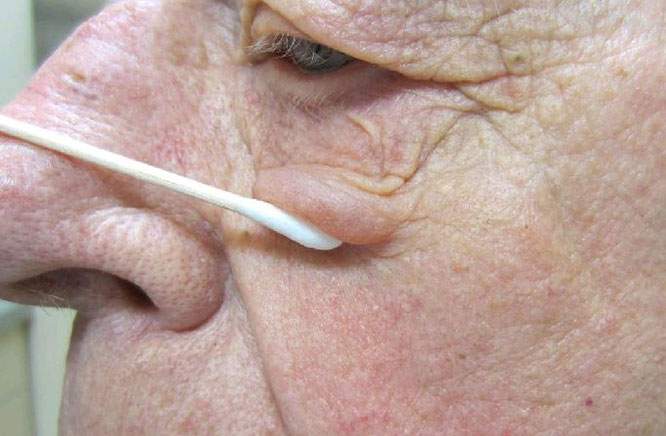
Ocular rosacea is the most clinically significant subtype from an oculoplastic perspective. It can precede, accompany, or follow cutaneous manifestations — and some patients have isolated ocular rosacea without obvious skin involvement, making diagnosis challenging.
Eyelid Manifestations
- Chronic blepharitis: Persistent eyelid margin inflammation, crusting, and telangiectasias of the lid margin
- Meibomian gland dysfunction: MGD is nearly universal in ocular rosacea — inspissated secretions, plugged orifices, and progressive meibomian gland atrophy
- Chalazia: Recurrent chalazia are a hallmark of rosacea-associated MGD
- Hordeola (styes): Recurrent external styes from associated anterior blepharitis
- Periocular telangiectasias: Visible dilated vessels at the eyelid margin and periocular skin
Ocular Surface Manifestations
- Conjunctivitis: Hyperemia, discharge; may be papillary
- Dry eye: From MGD-related tear film instability and lipid deficiency
- Keratitis: Corneal involvement ranging from superficial punctate keratopathy to peripheral vascularization, infiltrates, and — in severe cases — corneal thinning (keratolysis) and perforation. Ocular rosacea keratitis is a leading cause of vision loss in rosacea.
- Episcleritis and scleritis (less common)
Diagnosis
Diagnosis of rosacea is clinical. Ocular rosacea is diagnosed based on:
- History of characteristic eyelid symptoms (burning, tearing, foreign body sensation, recurrent chalazia)
- Slit lamp findings: telangiectatic lid margin vessels, plugged meibomian orifices, inspissated secretion, reduced tear break-up time, corneal staining
- Skin examination: central facial erythema or telangiectasias, even if mild
- Exclusion of other causes of blepharitis (staphylococcal, Demodex, seborrheic)
Meibography reveals progressive gland dropout in chronic cases.
Treatment
Treatment of rosacea requires simultaneous management of cutaneous and ocular disease. Oculoplastic surgeons manage ocular rosacea; dermatologists manage skin manifestations — often in shared care.
Ocular Rosacea Treatment
- Eyelid hygiene: Warm compresses, lid massage, lid scrubs — the foundation of MGD management. Daily routine.
- Oral doxycycline (50–100 mg daily): First-line systemic treatment for ocular rosacea. Anti-inflammatory effect on meibomian gland function independent of antibiotic activity. Low-dose (sub-antimicrobial) doxycycline (Oracea 40 mg) is effective and reduces antibiotic resistance risk. Azithromycin is an alternative.
- Topical cyclosporine (Restasis, Cequa): Reduces ocular surface inflammation; indicated for associated dry eye and keratitis.
- Topical azithromycin (AzaSite): Lid margin application reduces meibomian gland inflammation.
- Intense Pulsed Light (IPL): Applied to the periocular skin, IPL reduces periocular telangiectasias, decreases Demodex burden, and improves meibomian gland function. Emerging evidence supports IPL as an effective adjunct treatment for ocular rosacea and MGD. Series of 3–4 treatments.
- LipiFlow or thermal pulsation: Meibomian gland expression to clear obstructed glands.
- Topical steroids / cyclosporine: For acute flares with keratitis or conjunctivitis; used short-term under physician supervision.
Cutaneous Rosacea Treatment
- Topical treatments: Metronidazole 0.75–1% gel/cream; azelaic acid 15% gel (Finacea); ivermectin 1% cream (Soolantra — reduces Demodex colonization); brimonidine 0.33% gel (Mirvaso) or oxymetazoline 1% cream (Rhofade) for erythema/flushing.
- Oral antibiotics: Doxycycline (40–100 mg) or azithromycin for papulopustular rosacea.
- Vascular laser / IPL: KTP (532 nm), pulsed dye laser (595 nm), or Nd:YAG (1064 nm) for telangiectasias and diffuse erythema. IPL provides broad-spectrum treatment of redness and pigment.
- CO₂ laser / surgical debulking: For rhinophyma — ablative resurfacing or tangential excision to restore nasal contour.
- Isotretinoin (Accutane): For severe, refractory papulopustular rosacea; significantly reduces sebaceous activity. Requires strict pregnancy prevention.
Triggers and Lifestyle
Rosacea has no cure — management focuses on symptom control and trigger avoidance. Common triggers that worsen flushing and inflammation:
- Sun exposure — UV radiation is the most consistent trigger; broad-spectrum SPF 30+ sunscreen is mandatory
- Heat (hot beverages, saunas, hot showers)
- Spicy foods, alcohol (especially red wine)
- Exercise and emotional stress
- Certain topical products — alcohol-based products, fragrances, irritants
- Certain medications — niacin, topical steroids (which cause rebound flushing)
A gentle, fragrance-free skincare routine with physical (mineral) sunscreen is recommended for all rosacea patients.
Frequently Asked Questions
- What is ocular rosacea?
- Ocular rosacea is the eye manifestation of rosacea — a chronic inflammatory skin condition. It causes eyelid margin inflammation (blepharitis), meibomian gland dysfunction, dry eye, conjunctival redness, and occasionally corneal involvement. Ocular rosacea can occur without the classic facial skin findings.
- How is ocular rosacea treated?
- Treatment includes eyelid hygiene, omega-3 fatty acids, and oral doxycycline for moderate-to-severe disease. IPL (intense pulsed light) therapy is highly effective for both cutaneous and ocular rosacea — it reduces inflammatory mediators and improves meibomian gland function. Topical metronidazole and ivermectin (Soolantra) treat the skin component.
- Can rosacea cause permanent eye damage?
- Untreated severe ocular rosacea can lead to corneal neovascularization (blood vessels growing into the cornea), corneal ulceration, and scarring — potentially affecting vision. Most patients respond well to treatment before reaching this stage. Early recognition and consistent management prevent progression.
- Who is a good candidate for rosacea management with an oculoplastic surgeon?
- Patients with rosacea affecting the eyelids and eye surface, particularly those with meibomian gland dysfunction or eyelid margin disease, benefit from specialized oculoplastic care. You may be a good candidate if you've experienced inadequate improvement with systemic medications alone, or if you have significant eyelid involvement causing discomfort or vision problems. An oculoplastic surgeon can evaluate whether laser treatment, topical therapies, or other specialized techniques are appropriate for your specific situation.
- What should I expect during my consultation for rosacea management?
- During your consultation, the surgeon will perform a comprehensive eye examination, including assessment of your eyelid margins, meibomian glands, and overall ocular surface health. They will review your medical history, current medications, and previous treatments to understand your condition fully. Based on this evaluation, they will discuss personalized treatment options and explain what you can expect from each approach.
- What is the recovery process like after laser treatment for rosacea?
- Recovery after laser treatment is typically quick, with most patients returning to normal activities within a few days to a week. You may experience mild redness, swelling, or tenderness at the treatment site, which generally subsides within several days. Your surgeon will provide specific post-operative care instructions, which may include using cool compresses, avoiding sun exposure, and applying prescribed topical medications to promote healing.
- How long do the results from rosacea treatment typically last?
- Results vary depending on the type of treatment used; laser treatments often provide improvement that lasts several months to years, though some patients may benefit from periodic maintenance sessions. Systemic medications and eyelid management techniques can provide sustained control when used consistently as prescribed. Your surgeon will discuss realistic expectations for your specific treatment plan and help you develop a long-term management strategy.
Find a Specialist
Connect with a board-certified oculoplastic surgeon who specializes in rosacea.
Search the Directory →